Remote Patient Monitoring & Clinical Wearables
Introduction to Remote Patient Monitoring Solutions in Healthcare
Advanced remote patient monitoring solutions are transforming how healthcare providers across the UAE and the broader GCC region deliver continuous care beyond traditional hospital walls. By bridging the gap between clinical teams and patients at home, modern healthcare systems can maintain real-time oversight of critical biometric data without requiring continuous physical admission. As a trusted regional partner with over 50 years of experience, Atlas Medical collaborates with leading global medical technology manufacturers to supply, integrate, and support state-of-the-art remote health monitoring devices for hospitals and specialized clinics.
Key Benefits at a Glance
Continuous Vital Sign Tracking
Real-time monitoring of blood pressure, glucose, and cardiac rhythms without requiring in-person visits.
Optimized Bed Capacity
Shifting stable patients to remote care frees up inpatient beds for higher-acuity cases.
Enterprise-Grade Data Security
Encrypted transmission and storage aligned with UAE and GCC data protection standards.
Reduced Hospital Readmissions
Early detection of biometric anomalies enables timely intervention before conditions escalate.
Scalable Chronic Care Management
Onboard growing patient populations without compromising platform performance.
Seamless EMR/HIS Integration
HL7/FHIR-compliant data exchange keeps clinical records unified and current.
Atlas Medical leverages decades of industry expertise to deliver enterprise-grade remote patient monitoring solutions that UAE healthcare facilities rely on for seamless clinical integration and superior patient outcomes.
Transforming Patient Care Across UAE Facilities
Healthcare systems in Dubai, Abu Dhabi, and across the Emirates are rapidly adopting digital health monitoring and hospital-at-home technology across UAE initiatives to alleviate inpatient bed capacity pressures. Integrating clinical wearable biosensors and wireless patient monitoring systems into routine care pathways allows clinical leadership to track patient vitals continuously. This proactive approach shifts clinical workflows from reactive treatment to predictive intervention, establishing a new standard for healthcare solutions UAE providers can depend on.
Key Components of Modern Remote Patient Monitoring Systems
Deploying an effective remote patient monitoring platform requires a robust architecture composed of reliable hardware, secure transmission protocols, and enterprise RPM software. Atlas Medical works closely with healthcare procurement teams to design and implement comprehensive continuous patient monitoring systems tailored to specific institutional workflows.
Wearables and At-Home Diagnostic Devices
The foundation of any successful outpatient monitoring solution lies in the form factor and accuracy of its hardware. Medical-grade RPM wearables and wearable medical sensors for hospitals must be comfortable, reliable, and capable of transmitting precise patient vital signs. From multi-parameter telemetry devices to specialized remote chronic care management tools, these outpatient monitoring solutions empower patients while maintaining rigorous clinical data standards.
Secure Healthcare IT and Data Integration
Data integrity and interoperability are paramount when connecting patient-generated health data with existing electronic health records. Our clinical remote monitoring platform solutions ensure seamless integration through standard health data protocols, safeguarding patient telemetry devices and clinical ambulatory monitoring devices against vulnerabilities while adhering strictly to regional health data privacy regulations.

Clinical Applications and Chronic Disease Management
The implementation of RPM solutions across GCC healthcare providers is largely driven by the need to manage chronic conditions more efficiently. By utilizing connected medical equipment supplier networks and advanced hospital technology solutions, physicians can observe physiological trends over extended periods rather than relying solely on periodic in-person consultations.
Managing Hypertension, Diabetes, and Heart Failure
Chronic conditions such as cardiovascular disease, diabetes, and hypertension demand continuous oversight. Remote chronic care management tools allow clinicians to track glucose fluctuations, blood pressure trends, and cardiac rhythms in real time. Early detection of biometric anomalies via continuous patient monitoring systems enables immediate clinical intervention, preventing acute exacerbations and emergency department readmissions.
Traditional In-Person Monitoring vs. Remote Patient Monitoring
| Aspect | Traditional In-Person Monitoring | Remote Patient Monitoring (RPM) |
|---|---|---|
| Data Frequency | Periodic, limited to scheduled visits | Continuous, real-time data capture |
| Early Warning | Delayed until the next appointment | Immediate alerts on biometric anomalies |
| Hospital Bed Utilization | Stable patients occupy inpatient beds | Stable patients monitored remotely, freeing capacity |
| Patient Engagement | Passive, clinician-driven | Active, patient-involved via connected devices |
| Readmission Risk | Higher, due to gaps between visits | Lower, through proactive intervention |
Benefits for Hospitals and Healthcare Providers in the GCC
Adopting hospital at home technology and enterprise RPM software delivers measurable operational and clinical advantages for healthcare institutions navigating complex patient populations.
Improving Patient Throughput and Clinical Outcomes
By shifting stable convalescent care and chronic monitoring outside the acute care setting, hospitals optimize bed utilization and improve overall patient throughput. Clinical decision support tools integrated within our remote patient monitoring solutions help triage incoming biometric data, allowing care teams to focus resources where they are most urgently needed. This strategic deployment of medical device distribution enhances both institutional efficiency and patient satisfaction.

Frequently Asked Questions About Remote Patient Monitoring
Remote patient monitoring (RPM) is a digital healthcare delivery model that uses connected medical devices and clinical wearable biosensors to gather patient vital signs and physiological data outside of traditional clinical settings, transmitting that information securely to healthcare providers for ongoing evaluation.
Yes, by providing continuous tracking of patient vital signs and enabling early clinical intervention at the first sign of biometric destabilization, RPM solutions significantly lower the likelihood of costly acute care readmissions for chronic disease patients.
Insurance coverage for remote health monitoring devices and outpatient monitoring solutions in the UAE varies by provider and specific policy tier. Healthcare facilities typically coordinate with regional insurance networks and regulatory bodies to determine reimbursement pathways for telehealth and remote care programs.
Essential features include high data accuracy, real-time reporting capabilities, intuitive user interfaces for both patients and clinicians, seamless electronic health record integration, and robust data security features that comply with regional regulations.
Modern enterprise RPM software distributed and supported by Atlas Medical is designed for high interoperability, supporting standard health data exchange protocols such as HL7 and FHIR to ensure smooth integration with your existing hospital information systems.
Patient telemetry data is encrypted during both transmission and storage, resting within secure, compliant hosting environments that adhere strictly to regional data protection laws and institutional cybersecurity frameworks.
The cost of implementing remote patient monitoring solutions depends on the scale of the deployment, the specific types of wearable medical sensors required, and the complexity of the underlying IT integration. Contact Atlas Medical to discuss your facility's requirements and receive a tailored consultation.
Related Healthcare Solutions from Atlas Medical
Clinical AI Solutions
Predictive analytics that complement continuous monitoring data.
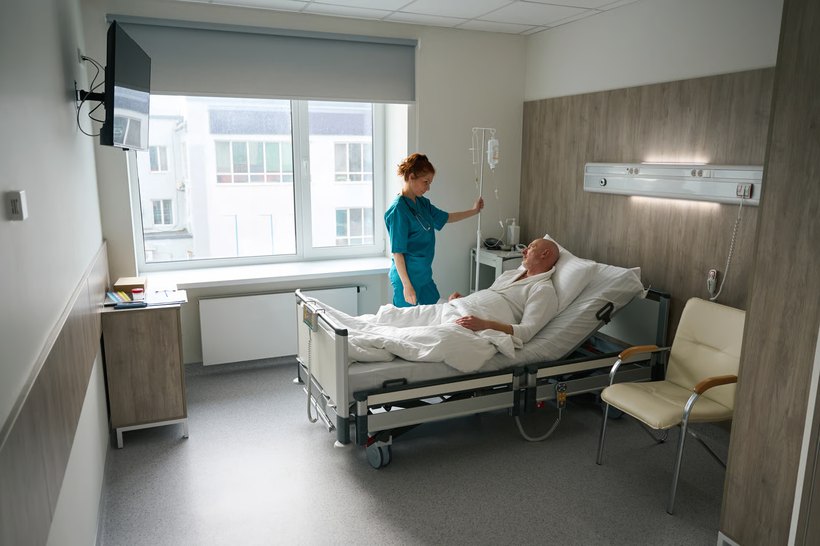
Smart Patient Room Solutions
Extend connected care into the inpatient environment.

Enterprise Imaging Solutions
Unify diagnostic imaging across your care network.
Healthcare Technology Solutions
Explore our full hospital technology portfolio.
Partner with Atlas Medical for Comprehensive Healthcare Solutions
Empower your hospital or healthcare facility with industry-leading remote patient monitoring technology, backed by over 50 years of regional expertise, expert installation, and dedicated technical support.
Contact Us for a ConsultationSpeak with our healthcare solutions specialists today to discuss your facility's technical requirements.